Zohran Mamdani Elected 111th Mayor of New York City in Historic Upset
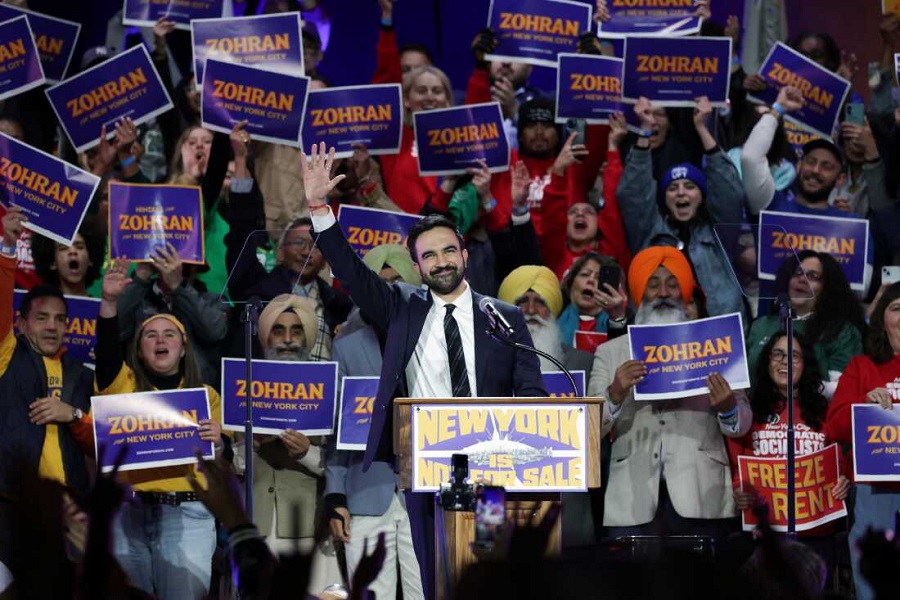
Zohran Mamdani has been elected the 111th mayor of New York City in a historic victory that marks a dramatic shift in the city’s political landscape. At 34 years old, he becomes the youngest mayor in more than a century and the first Muslim, South Asian, and African-born person to hold the office. His win represents a milestone for representation and progressive politics in one of the world’s most influential cities.
Mamdani, a state assemblymember from Queens known for his grassroots activism and democratic socialist platform, defeated former governor Andrew Cuomo, who ran as an independent after losing the Democratic primary. With roughly half of all votes cast in his favor, Mamdani built a winning coalition across four of the five boroughs, drawing strong support from younger voters, renters, and working-class communities.
His campaign centered on bold proposals to tackle New York’s affordability crisis. Among his priorities are a citywide rent freeze, expanded public housing, fare-free buses, and the establishment of city-owned grocery stores aimed at lowering living costs. He also pledged to raise taxes on corporations and high-income earners to fund social programs.
Supporters saw him as a champion for ordinary New Yorkers, while critics warned that his agenda could strain the city’s budget and drive away investment. The victory follows months of intense campaigning that pitted Mamdani’s movement-based approach against Cuomo’s promise of pragmatic leadership. While Mamdani energized a broad base of progressives, labor organizers, and young voters, he faced skepticism from business leaders and more moderate Democrats.
As he prepares to take office on January 1, 2026, Mamdani faces the daunting task of turning his ambitious promises into policy within the complex machinery of city government. His success will depend on his ability to build alliances within the City Council, work with state lawmakers, and balance the demands of his supporters with the fiscal realities of governing a city of more than eight million residents.
Mamdani’s election is being hailed as a defining moment for the city—a signal that voters are ready for a new kind of leadership rooted in equity and inclusion. His win is also seen as part of a broader national trend toward younger, more diverse, and more progressive leaders reshaping American urban politics.