Department of Justice Set to Release All Unclassified Documents Connected to Jeffrey Epstein
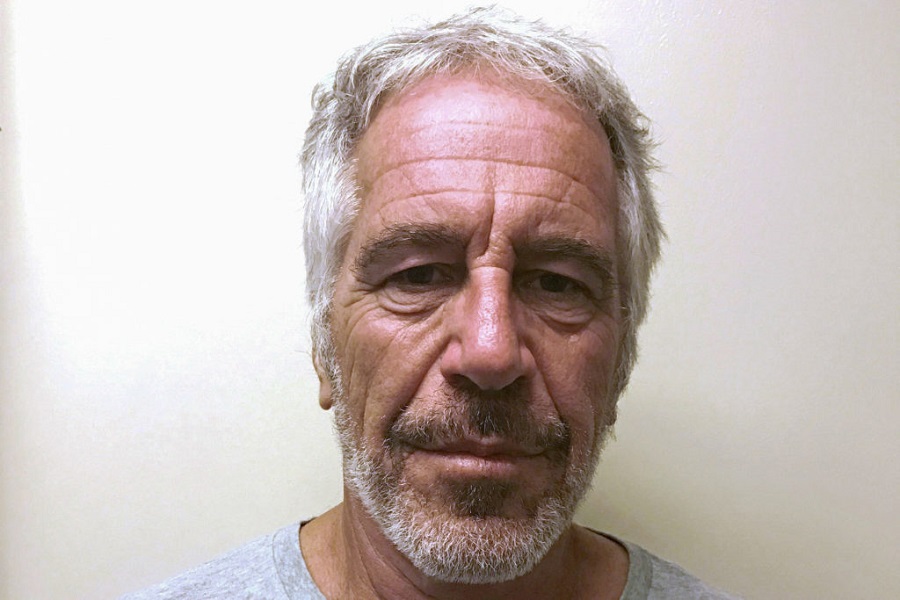
The House of Representatives voted 427-1 in overwhelming bipartisan fashion to require the public release of long-sealed investigative files related to Jeffrey Epstein, marking one of the most sweeping transparency actions Congress has taken in years. Only Representative Clay Higgins (R-La.) voted against the bill.
The measure, known informally as the Epstein files bill, passed with only a single dissenting vote and reflects growing public pressure to disclose records that have been the subject of speculation, legal battles, and years of secrecy.
The legislation directs the Department of Justice to release all unclassified documents connected to Epstein and his longtime associate Ghislaine Maxwell.
These include investigative memos, communications, correspondence, and other materials gathered over decades. While the bill requires broad disclosure, it also permits specific redactions intended to protect victims, personal identifying information, and any details that might compromise active investigations.
Lawmakers emphasized that the bill explicitly bars officials from withholding materials on the basis of political sensitivity or potential embarrassment to individuals named in the files.
Support for the measure grew after a bipartisan coalition of representatives used a procedural maneuver known as a discharge petition to force the legislation onto the House floor. Once it reached a vote, both parties lined up behind the bill, reflecting a rare moment of unity in a politically divided Congress. Several lawmakers argued that the only way to restore trust in the justice system is to give the public a clear look at how Epstein operated, how authorities handled earlier allegations, and who may have been connected to him.
Despite the bill’s overwhelming support, there were notes of caution. Some members, including senior leadership, expressed concern that releasing large volumes of documents could inadvertently expose individuals who had no involvement in criminal activity. Others stressed the importance of respecting survivors’ privacy and ensuring that any disclosures do not retraumatize those who came forward. These concerns are expected to shape the Senate’s debate as the bill moves forward.
The political landscape surrounding the legislation shifted dramatically when the president signaled he would sign the bill if it reached his desk, reversing an earlier stance that had discouraged a full release. This change opened the way for swift passage in the House and increased the likelihood of eventual enactment.
If the bill becomes law, the attorney general will be required to make the files public in a searchable, downloadable online repository within a tight deadline. In addition to the public release, Congress would receive an unredacted list of government officials and other high-profile individuals referenced in the documents. The requirement has already generated intense public interest, with advocates arguing that accountability cannot occur without full transparency.
The measure now heads to the Senate, where the expectation of quick action is balanced against concerns about privacy and the scope of redactions. Regardless of the timeline, the House vote marks a significant moment in the long-running effort to bring clarity to one of the most controversial criminal cases in recent American history. Many survivors and advocates view it as a long-overdue step toward revealing how Epstein maintained influence and who may have helped enable his activities. Others see it as an important test of the government’s willingness to confront powerful interests and operate with honesty about past failures.
Whether the release of the documents ultimately answers long-standing questions or sparks new ones, the House’s action ensures that the secrecy surrounding Epstein’s network is closer than ever to unraveling.