SNAP Program Officially Ends Leaving Millions Facing Uncertain Future
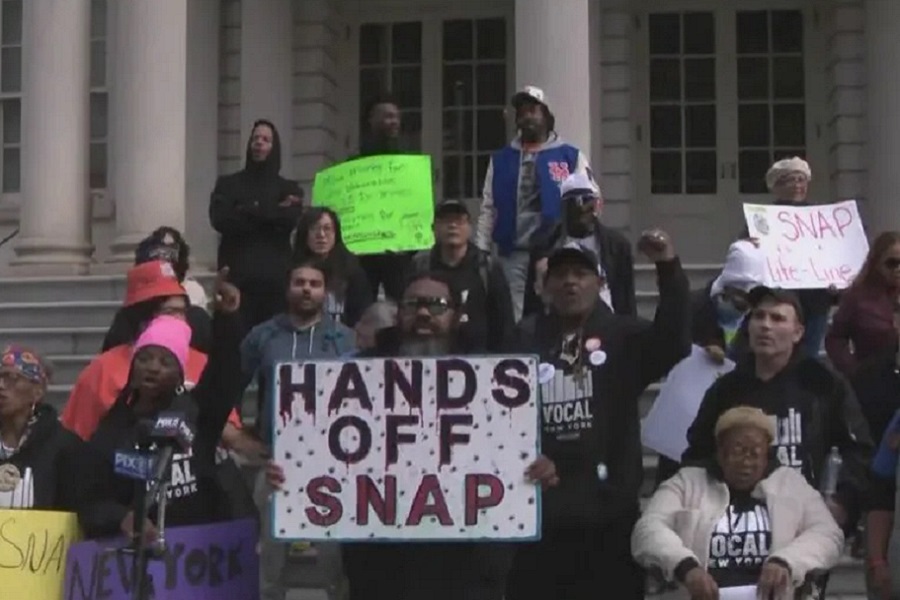
The Supplemental Nutrition Assistance Program, or SNAP, has officially come to an end after decades of serving as the cornerstone of America’s fight against hunger.
The program, which once provided monthly food assistance to more than 40 million low-income individuals and families, was discontinued following a series of federal budget decisions and policy reforms aimed at reshaping the nation’s welfare system.
The termination of SNAP marks a significant turning point in U.S. social policy. Established during the 1960s to combat food insecurity, the program evolved into one of the country’s largest and most effective anti-poverty measures.
Its closure leaves many uncertain about how future food aid will be distributed, as states and local organizations scramble to develop replacement initiatives.
Officials have cited fiscal constraints and shifting political priorities as key reasons for the decision.
Some lawmakers argued that the program had become unsustainable in its current form, while others called for more localized solutions that give states greater control over food assistance funding.
Advocates for low-income families, however, warn that ending SNAP will have devastating consequences for millions of Americans who rely on it to feed their households.
Food banks and community organizations across the nation are preparing for an anticipated surge in demand. Many have already reported increased calls for assistance since news of the program’s end spread.
Experts fear that the loss of federal food benefits could lead to higher rates of hunger, malnutrition, and poverty, especially among children, seniors, and people with disabilities.
As the country faces the first month without SNAP, communities are bracing for the ripple effects of this historic policy shift.
What was once considered a vital safety net for the nation’s most vulnerable has now become a chapter closed in the story of American social welfare.