Rapid Rainstorm Floods Manhattan Neighbourhoods and Forces Evacuations
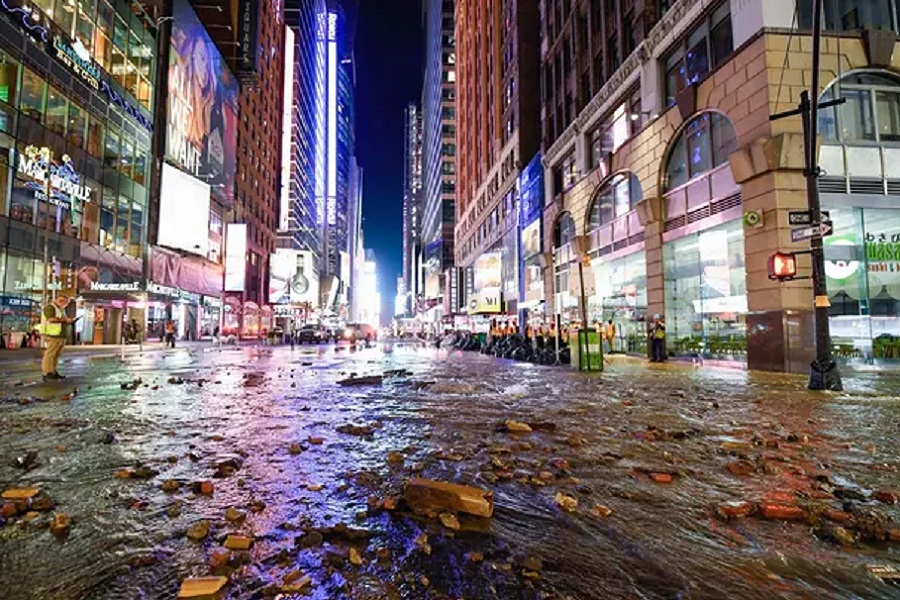
A sudden and intense rainstorm slammed into Manhattan late Friday afternoon, dumping more than two inches of rain in under 30 minutes and triggering widespread flooding across low-lying neighbourhoods, basement apartments and major roadways.
Emergency services responded to dozens of calls for trapped vehicles, flooded residences and water-logged subway entrances. In one of the worst-affected areas, the Washington Heights neighbourhood near West 175th Street and Broadway, residents reported basement boiler rooms filling rapidly with water.
One tenant, who asked not to be named, said: “The water came up so fast I heard the sump pump whining and then nothing. My heart sank.”
The building’s superintendent confirmed the boiler room has long been known to flood during heavy rain, and though no fatalities have been reported, a full safety inspection is now underway.
Elsewhere, along the FDR Drive northbound in Midtown, traffic came to a standstill as at least two lanes were submerged by ankle-to-knee deep water.
The Department of Transportation temporarily closed the stretch near 49th Street after dozens of vehicles stalled or were forced to turn back.
Drivers described scenes of "brown water gushing from the curb and swallowing the tires of my car.”
The New York City Emergency Management (NYC EM) issued a flash flood warning at 4:16 p.m., advising residents in Manhattan, the Bronx, and parts of Brooklyn and Queens to avoid travel, move to higher ground if in basements, and stay clear of flooded roadways.
Many basement-level apartments and commercial units in the borough’s older buildings were affected, with residents forced to stand on furniture or evacuate entirely.
At the city’s transit system, the Metropolitan Transportation Authority (MTA) suspended service on the 1, 2 and 3 subway lines between 96th Street and 14th Street in Manhattan due to water infiltration in several stations.
Some commuters were seen wading through knee-deep water on the platform level and being transferred to shuttle buses. Service was not expected to resume until crews had pumped out the water and inspected tracks.
Officials say the storm overwhelmed the city’s drainage infrastructure.
According to forecasters, more than 2.3 inches of rain fell in some parts in a very short period — far surpassing what some basins and sewer systems were designed to handle.
One NYC EM spokesperson said: “The rainfall came faster than our pumps could respond, and combined with leaf-clogged grates and debris, the result was rapid flooding.”
Mayor Eric Adams, speaking at a press briefing in Lower Manhattan, acknowledged the severity of the event and pledged swift support.
“This is a vivid reminder that our city must continue strengthening its flood-resilience infrastructure. Our hearts are with those whose homes and businesses have been affected. We will deploy resources to ensure safety and recovery begins at once.”
Local business owners were hit hard. In the Greenwich Village area, a small café on MacDougal Street reported water up to six inches deep in its basement storage room, forcing it to close for at least two days while equipment is dried out and the wiring assessed.
Owner Maria Santos said: “We’ve had leaks before, but this was like a small tsunami from the cellar up.”
As night fell, the water began to recede in many areas, with crews deploying pumps and sandbags to protect structures still vulnerable. However, clean-up will be extensive: dozens of basement apartments remain flooded, roads may require repair where asphalt has been undermined, and transit interruptions could ripple into the commuter weekend.
Residents living in basement or first-floor units have been urged to contact 311 if they require emergency assistance.
Officials reminded New Yorkers to never enter flooded rooms, turn off electricity if water is rising, and move to higher floors whenever flooding begins.
While no deaths have been reported, at least 250 property damage reports have already been filed by late evening, and the city’s damage-assessment teams will begin canvassing impacted neighbourhoods first thing tomorrow.
Climate scientists say that events like this — heavy rainfall concentrated in short bursts — are becoming more frequent, and city infrastructure must adapt.
The mayor’s office reaffirmed the priority of investing in both grey infrastructure (sewers, pumps) and green solutions (rain gardens, permeable pavement) to manage stormwater more effectively.
For now, Manhattan residents are left dealing with the aftermath — soaked carpets, ruined boilers, closed shops and weary commuters — and asking the question: when the skies open again, will the city be ready?