Former FBI Director James Comey Indicted on Two Federal Charges
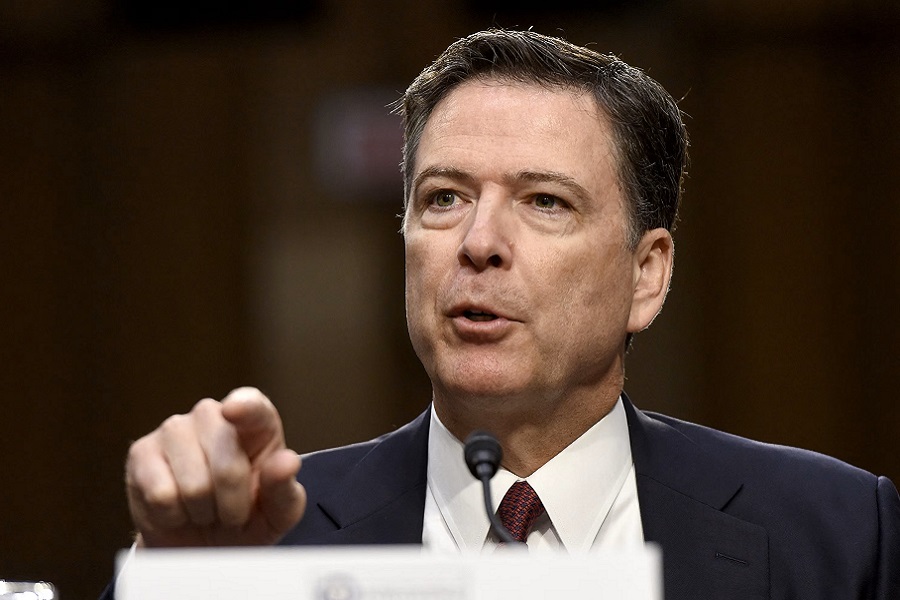
Washington, D.C. — Former FBI Director James Comey has been indicted on two felony charges, marking one of the most significant prosecutions of a high-ranking law enforcement official in modern U.S. history.
A federal grand jury in the Eastern District of Virginia handed down the indictment on September 25, 2025, after a multi-year investigation into Comey’s 2020 congressional testimony.
Prosecutors filed two counts against Comey, which the first count includes, making false statements to Congress — alleging that during his September 2020 testimony before the Senate Judiciary Committee, Comey falsely stated that he had not authorized anyone at the FBI to serve as an anonymous source for media reports related to the Bureau’s investigations. The second count includes obstruction of a congressional proceeding — claiming that Comey intentionally misled senators about his role and knowledge regarding unauthorized disclosures from within the FBI.
Each charge carries a potential penalty of up to five years in prison if convicted.
The charges stem from events nearly five years ago, linked to Comey’s testimony about the FBI’s handling of investigations surrounding the 2016 election.
The indictment was filed just before the statute of limitations was set to expire, signaling that prosecutors were racing against time. The case has stirred intense political debate, as it follows years of public tension between Comey and former President Donald Trump.
Critics argue the prosecution may be politically motivated, while supporters say it demonstrates that even powerful officials are not above the law.
Comey pleaded not guilty during his October 8 arraignment, asserting his innocence and confidence in the judicial system. In a brief public statement, he said:
“My heart is broken for the Department of Justice, but I have great confidence in the federal judicial system, and I’m innocent. So let’s have a trial.”
His defense team has filed motions to dismiss the case, arguing that the charges amount to selective and retaliatory prosecution and that the appointment of the current prosecutor was improper.
A trial date has been set for January 5, 2026.
The indictment of a former FBI director has raised serious questions about the independence of the Justice Department and the future of the Bureau’s credibility. Legal scholars warn that the case could deepen political divisions and erode trust in federal institutions.
Former President Trump celebrated the indictment on social media, calling it a long-overdue act of accountability, while many in law enforcement circles expressed concern that the case could set a precedent for politically charged prosecutions.
The court will next consider pre-trial motions to determine whether the case will proceed. If it moves forward, discovery is expected to focus heavily on internal FBI communications and the use of confidential sources.
If convicted, Comey could face fines and prison time, though sentencing guidelines would depend on the specifics of the case and his prior record.
The case represents a historic and controversial moment in U.S. law enforcement. The outcome could shape future boundaries between politics, justice, and oversight — and redefine how accountability is applied at the highest levels of government.